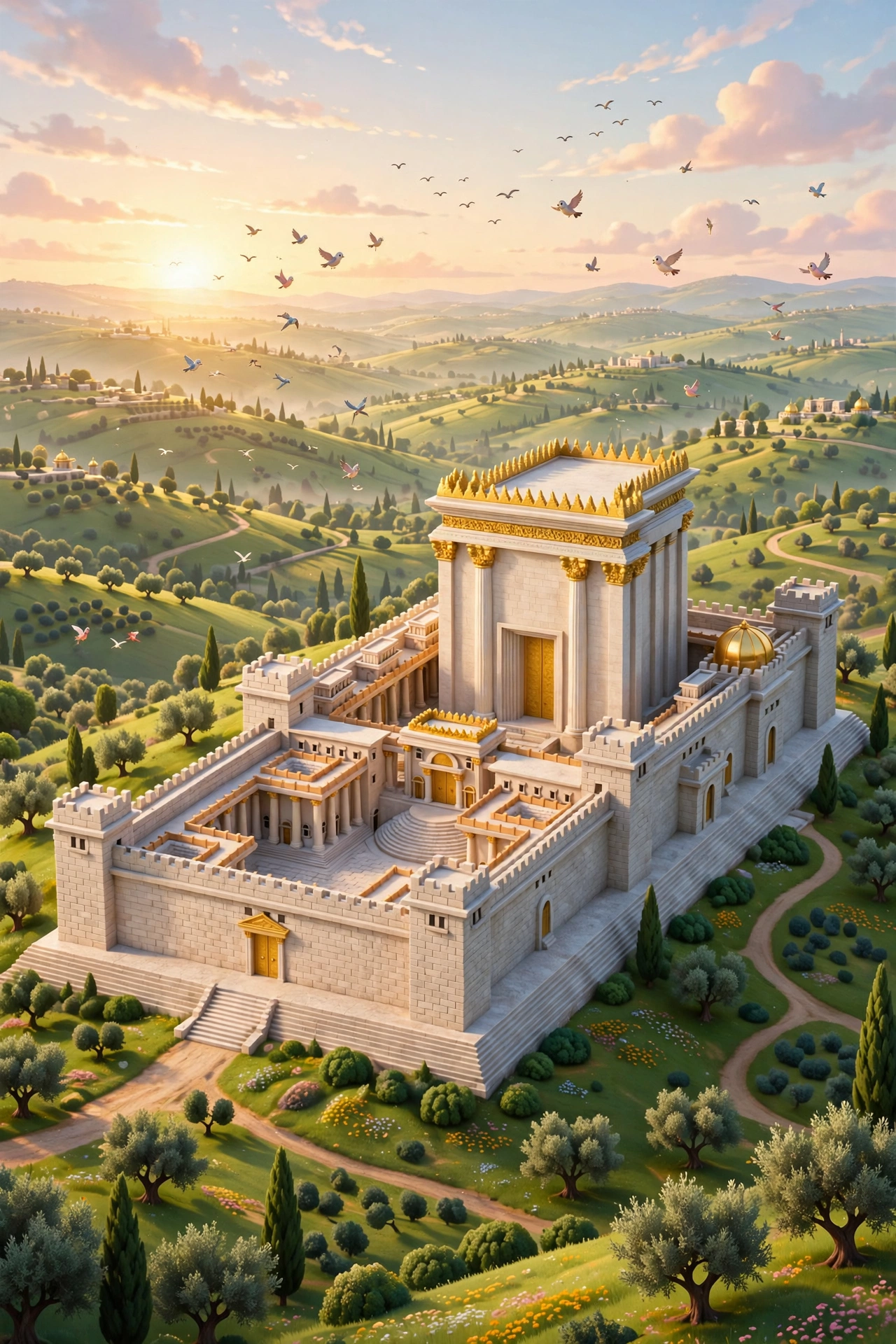
Chol Hamoed
The middle of the holiday looks like a regular weekday — but it's not. Chol Hamoed, the intermediate days of Sukkot, are half-holiday, half-weekday.
Work to avoid a loss (davar ha'aved) is permitted, and work the holiday itself needs (tzorchei moed) — cooking, fixing up the sukkah — is allowed. But routine work that can wait, waits.
The mitzvos don't pause: we still eat in the sukkah, take the lulav, and say the full Hallel — and joy is the rule: vesamachta bechagecha (Devarim 16:15).
אמצע החג נראה כמו יום חול רגיל — אבל הוא לא. חול המועד, ימי הביניים של סוכות, הם חצי חג וחצי חול.
מלאכה למניעת הפסד (דבר האבד) מותרת, ומלאכת צורכי המועד — בישול, תיקון הסוכה — מותרת. אבל מלאכה רגילה שיכולה לחכות, תחכה.
המצוות לא נעצרות: עדיין אוכלים בסוכה, נוטלים לולב ואומרים הלל שלם — והשמחה היא הכלל: "ושמחת בחגך" (דברים טז, טו).
More in Sukkot
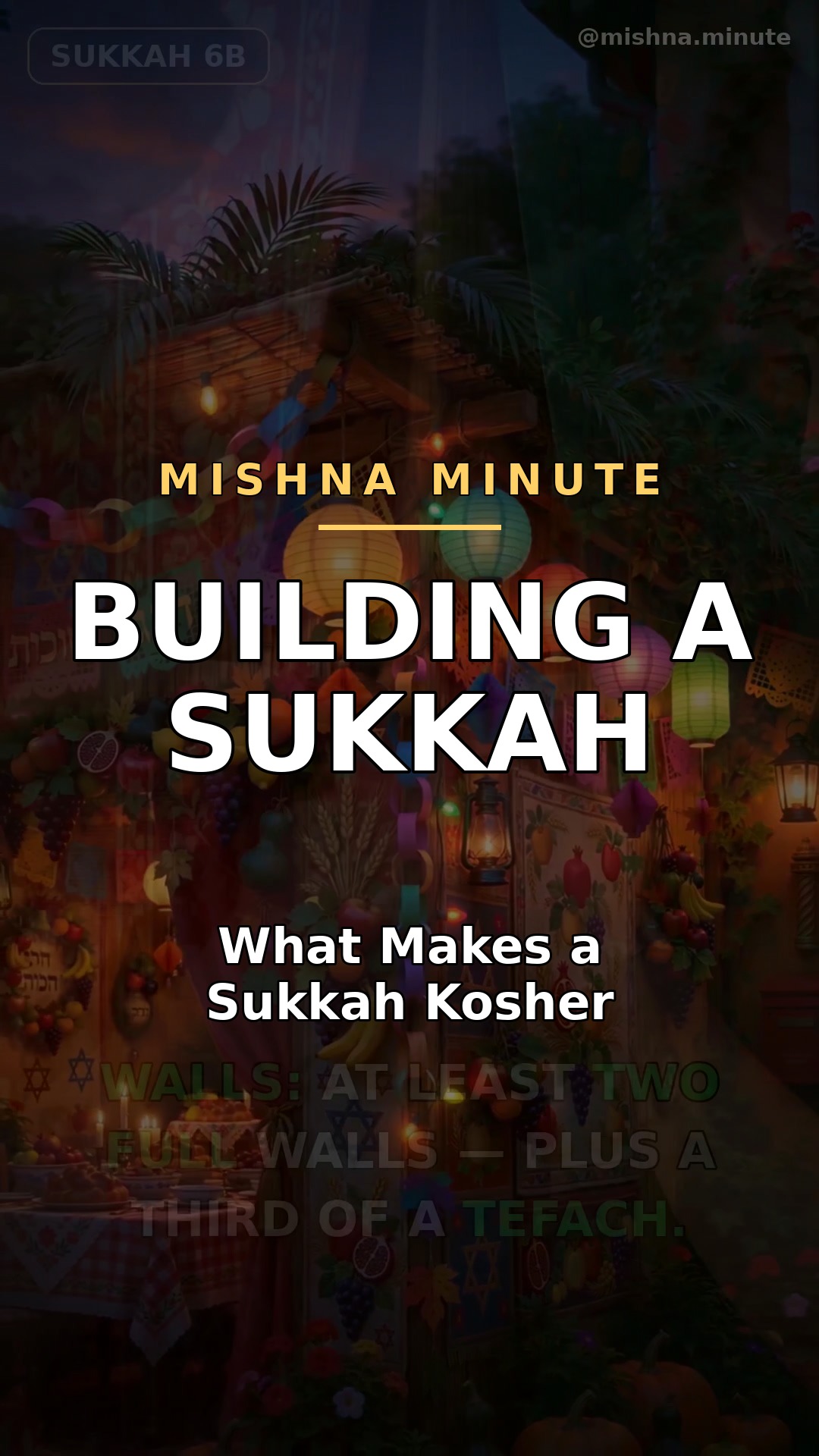 ▶
Building a Sukkah
Your backyard hut can be a mitzvah — if you build it right. A sukkah needs at least two full walls plus a third wall of a tefach, must stand between 10 tefachim…
Watch & learn →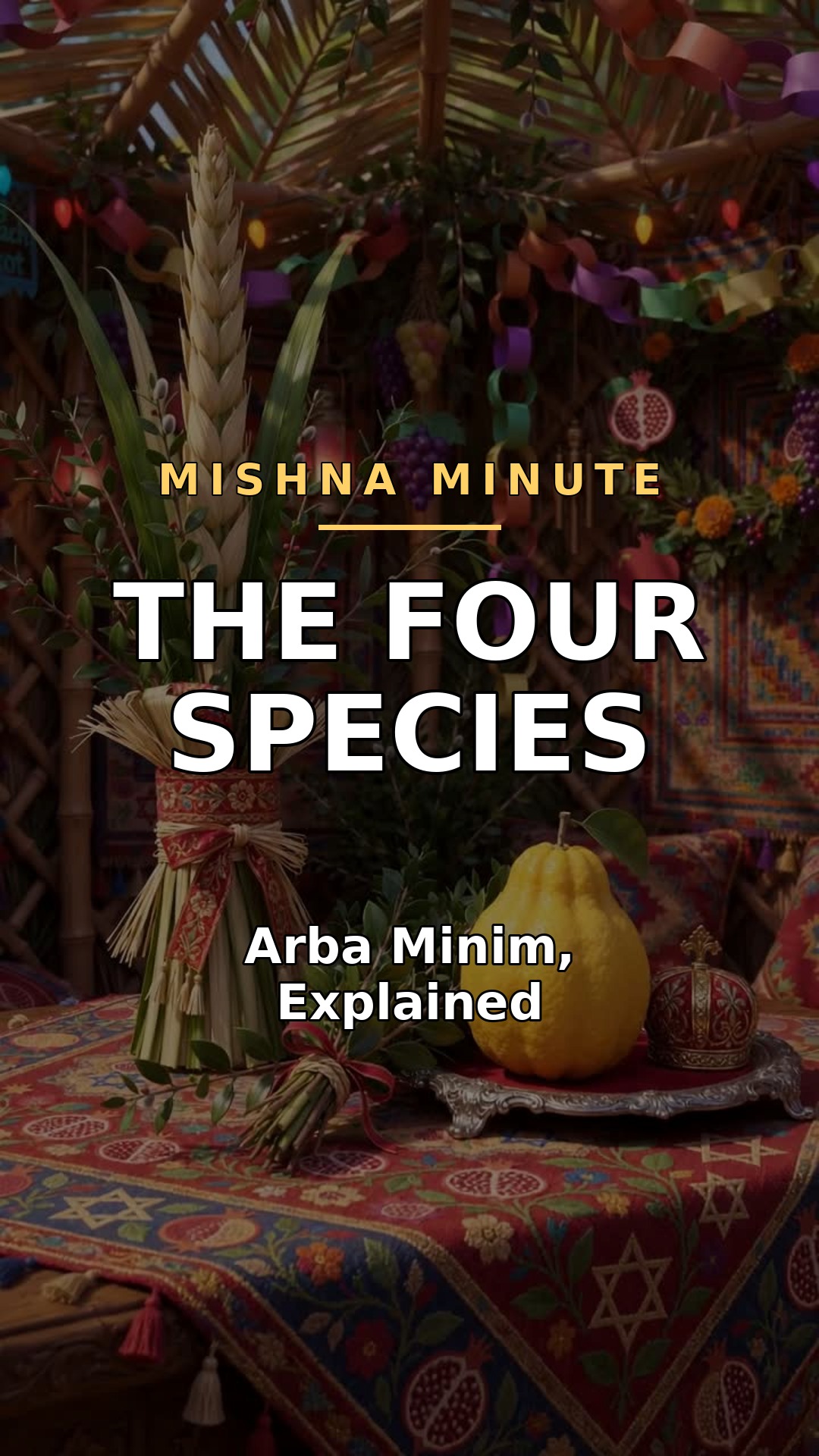 ▶
The Four Species
Four plants. One bundle. On Sukkot we take the esrog, the lulav, the hadassim, and the aravos — and hold them together.…
Watch & learn →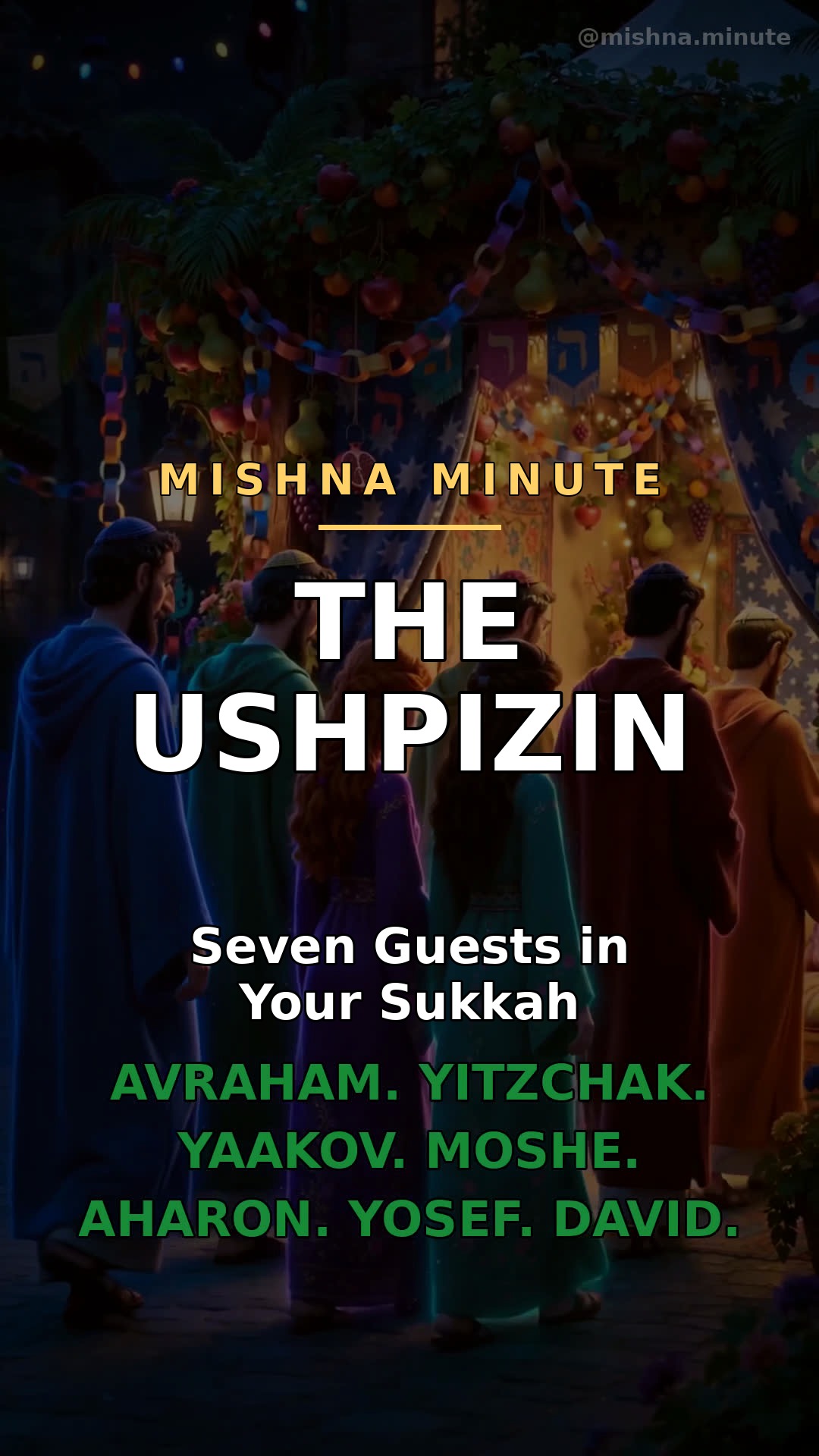 ▶
The Ushpizin
Seven guests visit your sukkah every single night of Sukkot — and you can't see them. The Zohar teaches that the souls of Avraham, Yitzchak, Yaakov, Moshe, Ahar…
Watch & learn →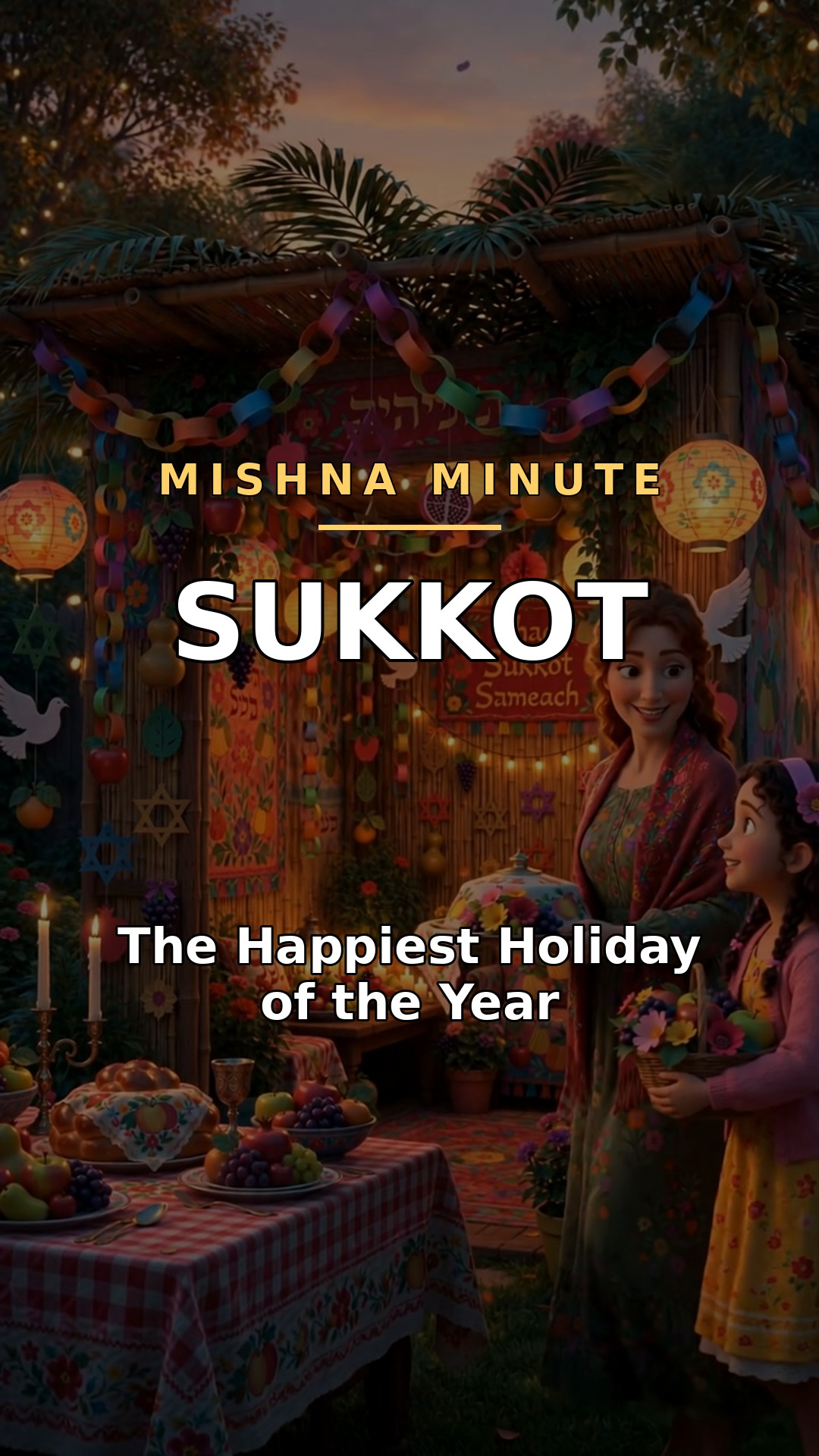 ▶
Zman Simchaseinu
Sukkot is the happiest holiday of the year — and it's all about huts. For seven days we leave our homes and live outside, eating, drinking, even sleeping in a s…
Watch & learn →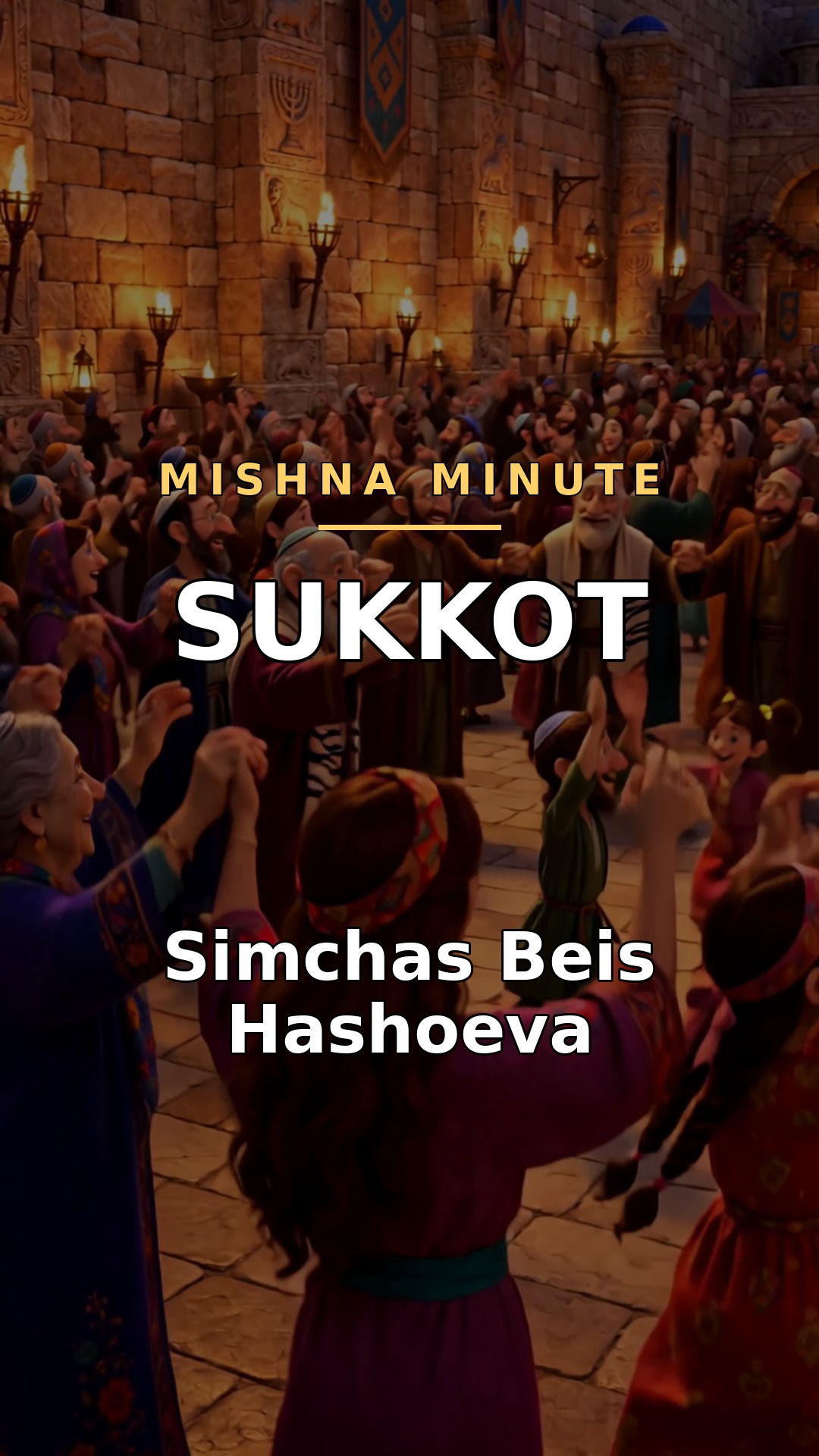 ▶
Simchas Beis Hashoeva
Every morning of Sukkot, the kohanim drew water from the Shiloach spring and poured it on the altar — the nisuch hamayim, the water libation.…
Watch & learn →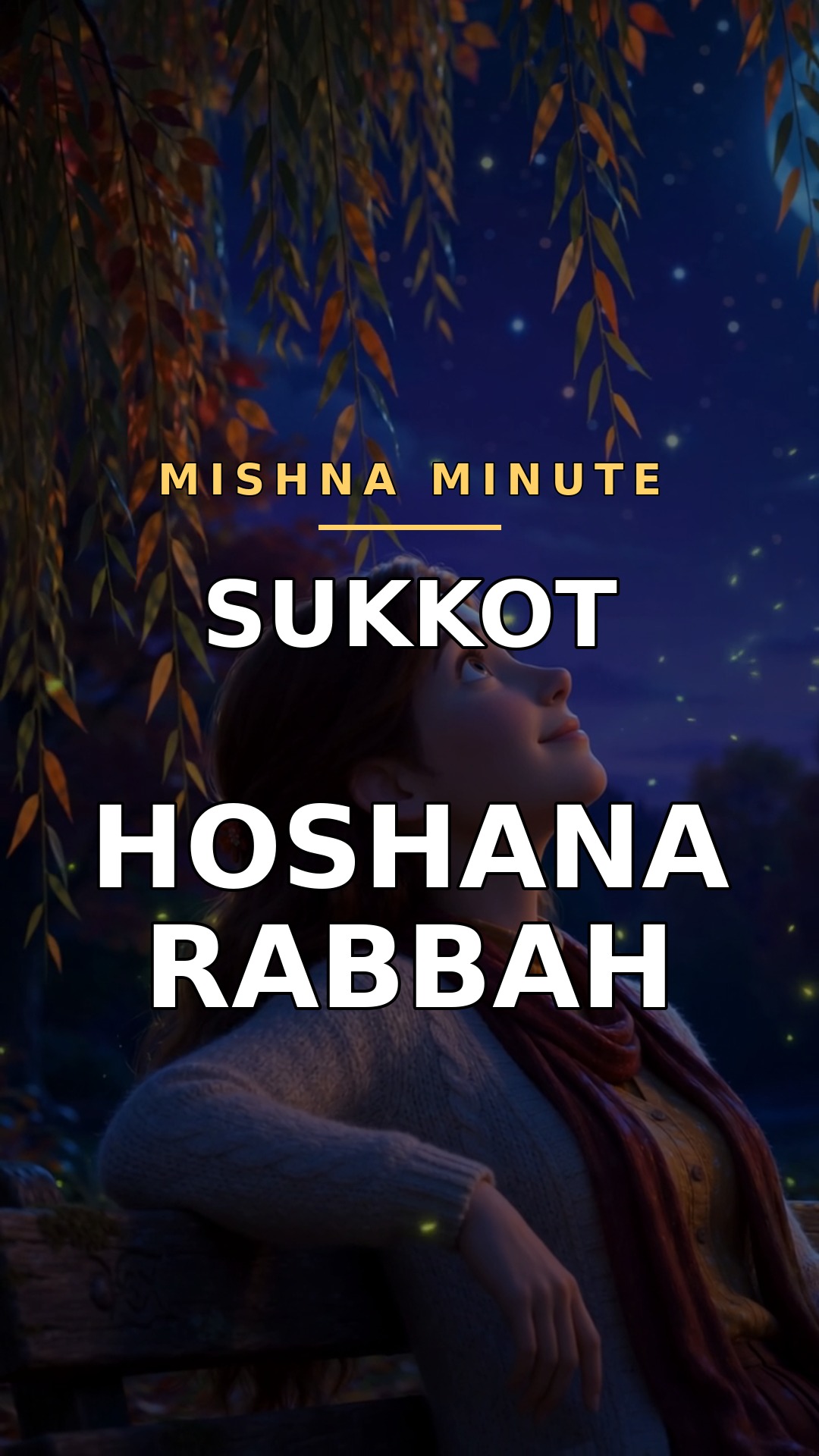 ▶
Hoshana Rabbah
Yom Kippur sealed your fate — but the envelope isn't delivered until Hoshana Rabbah, the seventh day of Sukkot. In the Temple, the kohanim circled the altar sev…
Watch & learn →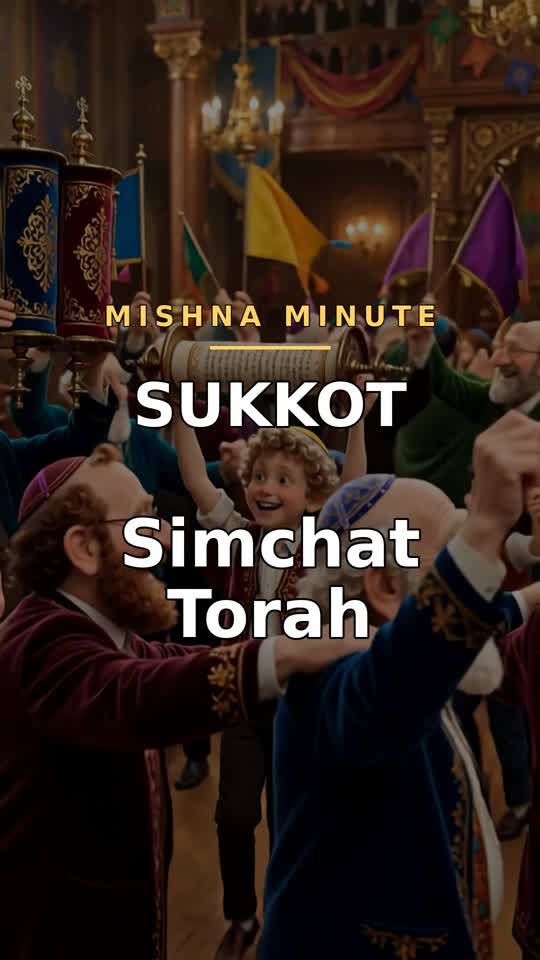 ▶
Simchat Torah
We finish the entire Torah — and immediately start it again. On purpose. On Simchat Torah we read the final portion, Vezos Haberacha, completing the yearly cycl…
Watch & learn → ▶
Sukkot: The Complete Collection — All Eight Shorts, Quiz & Answers
Sukkot is the happiest holiday of the year — and it's all about huts. Your backyard hut can be a mitzvah: at least two full walls plus a third wall of a tefach,…
Watch & learn →