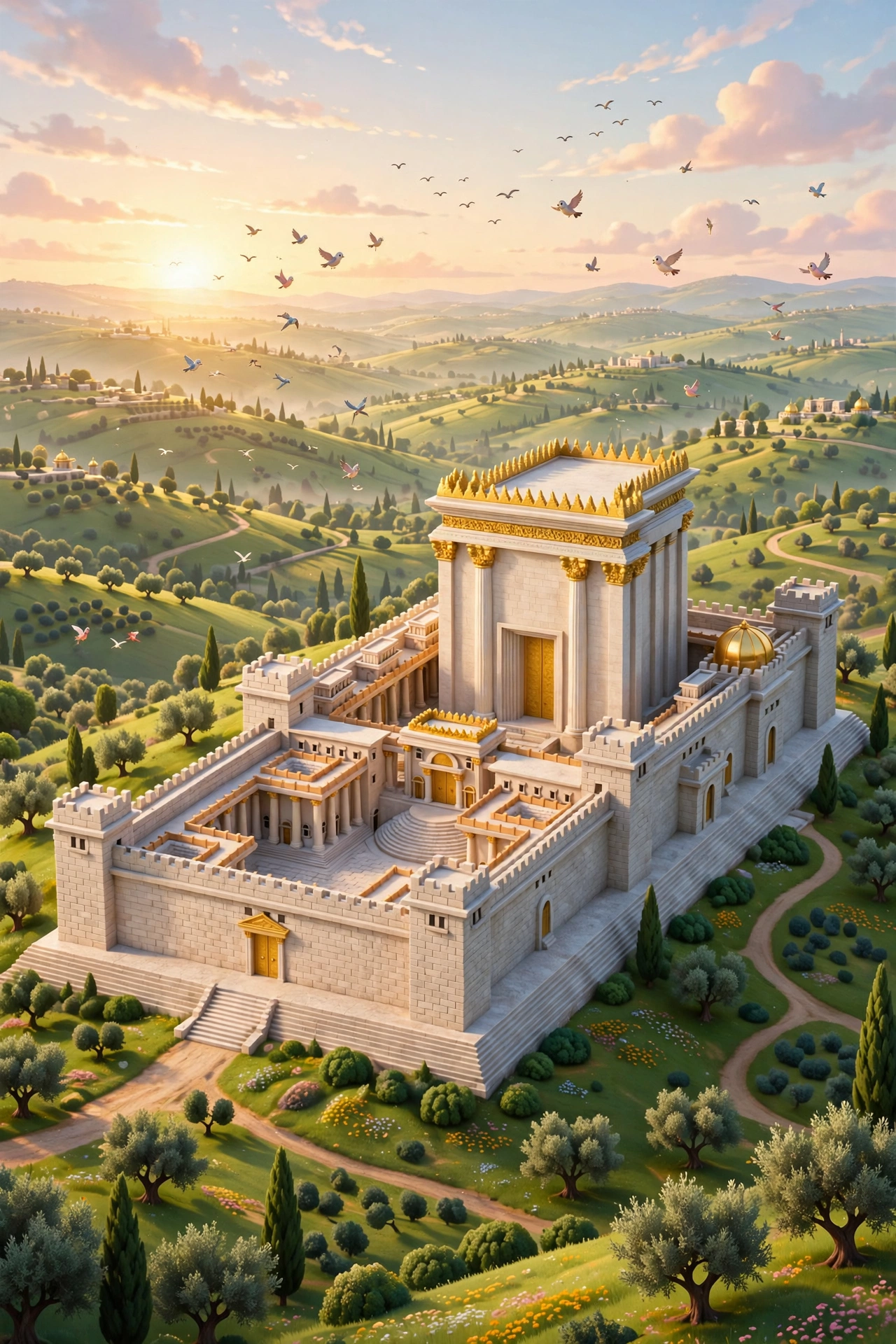
The Full Special: Five Afflictions, Kol Nidrei & The Avodah
Yom Kippur is the holiest day of the year — a day when we afflict our souls in five ways, as the Torah commands: "afflict your souls" (Vayikra 16:29). The Mishnah in Yoma 8:1 lists the five afflictions: no eating or drinking, no washing, no anointing with oils or perfumes, no leather shoes, and no marital relations. Why five? Because on this day we set aside the physical to become like angels, who neither eat nor drink. The body steps back, and the soul steps forward.
The holiest night of the year opens with Kol Nidrei — not exactly a prayer, but a legal formula in Aramaic annulling all vows, oaths, and promises. In Jewish law a vow is binding, and it takes a court of three to annul vows; on this night, the whole congregation becomes that court. The Torah scrolls are held high as the ancient melody — over a thousand years old — is chanted three times.
On Yom Kippur, the Kohen Gadol alone entered the Holy of Holies — one day, one man, one room. Two goats stood before him; lots were cast, one for God and one for Azazel. With incense smoke covering the Ark, he sprinkled the blood once up and seven times down. The Azazel goat was sent to the wilderness, carrying the nation's sins away. Today we recite the Avodah in Musaf — and bow low, remembering. May the service be restored.
יום הכיפורים הוא הקדוש בימי השנה — יום שבו אנו מענים את נפשנו בחמש דרכים, כפי שציוותה התורה: "ועניתם את נפשתיכם" (ויקרא טז, כט). המשנה במסכת יומא ח, א מונה את חמשת העינויים: אכילה ושתייה, רחיצה, סיכה בשמנים ובבשמים, נעילת הסנדל, ותשמיש המיטה. ולמה חמישה? כי ביום זה אנו מניחים בצד את הגשמיות להיות כמלאכים, שאינם אוכלים ואינם שותים. הגוף נסוג לאחור, והנשמה מתקדמת קדימה.
הלילה הקדוש בשנה נפתח בכל נדרי — לא בדיוק תפילה, אלא נוסחה משפטית בארמית המבטלת את כל הנדרים, השבועות וההבטחות. על פי ההלכה נדר מחייב, וצריך בית דין של שלושה כדי להתיר נדרים; בלילה זה כל הקהל נעשה לאותו בית דין. ספרי התורה מורמים גבוה בעוד הנעימה העתיקה — בת אלף שנה — מושרת שלוש פעמים.
ביום הכיפורים נכנס הכהן הגדול לבדו לקדש הקדשים — יום אחד, איש אחד, חדר אחד. שני שעירים עמדו לפניו; גורלות הוגרלו, אחד לה' ואחד לעזאזל. בעוד ענן הקטורת מכסה את הארון, הזתה הדם אחת למעלה ושבע למטה. השעיר לעזאזל נשלח למדבר, נושא עמו את חטאי העם. היום אנו אומרים את סדר העבודה במוסף — ומשתחווים, זוכרים. יהי רצון שתבנה בית המקדש במהרה.
More in Yom Kippur
 ▶
The Shabbat of Return
There is one Shabbat in the year with its own special name — Shabbos Shuva, the Shabbat of Return. It falls between Rosh Hashanah and Yom Kippur, and it is name…
Watch & learn → ▶
Three Things Before the Fast
Erev Yom Kippur begins with a surprise: on the 9th of Tishrei, the mitzvah is to EAT. The Talmud (Yoma 81b) teaches that whoever eats and drinks on the ninth is…
Watch & learn → ▶
The Five Afflictions
The Torah commands "afflict your souls" (Vayikra 16:29). The Mishnah (Yoma 8:1) lists the five afflictions: no eating or drinking, no washing, no anointing with…
Watch & learn →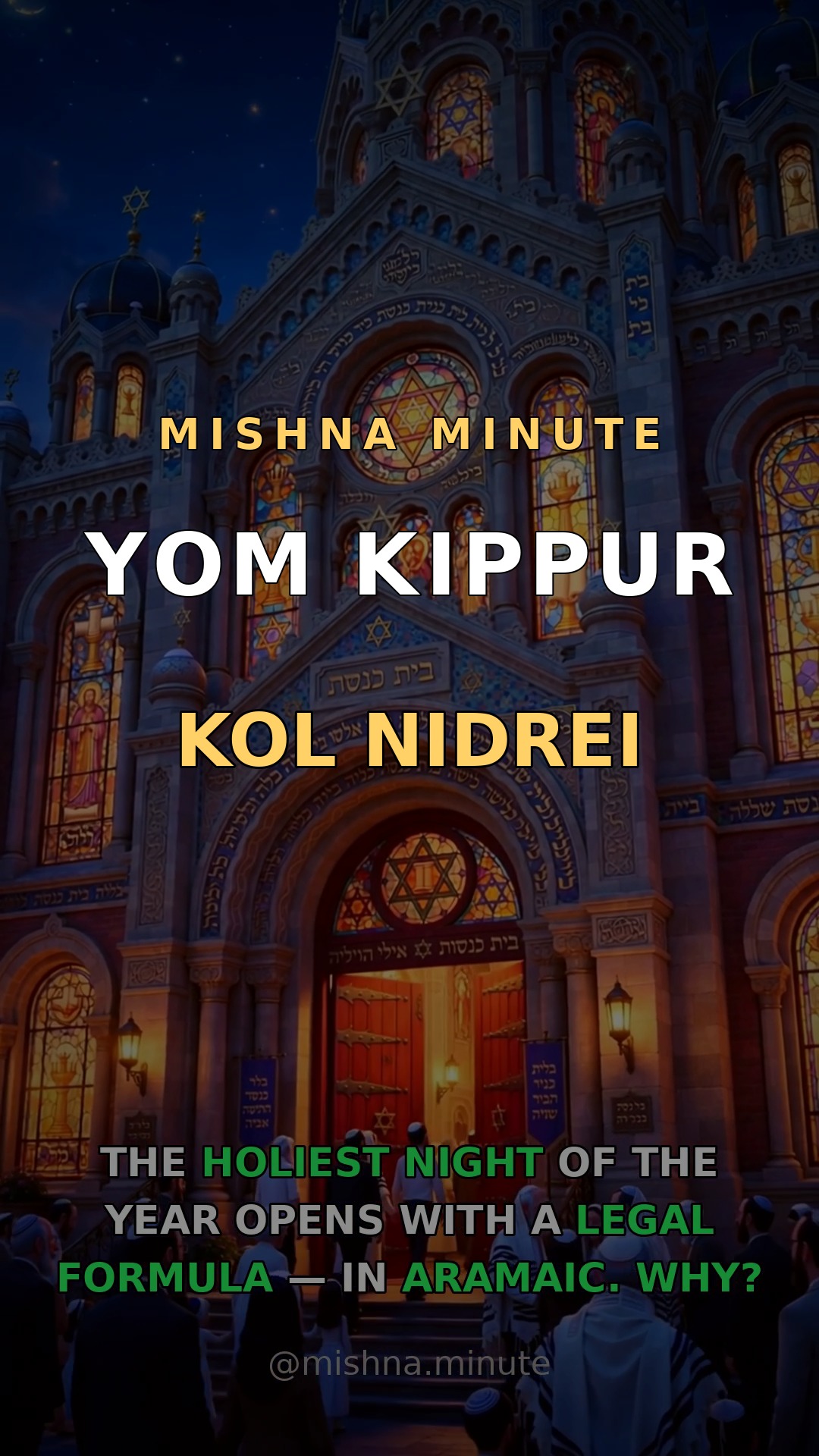 ▶
Kol Nidrei
The holiest night of the year opens not with a prayer, but with a legal formula — in Aramaic. Kol Nidrei annuls all vows, oaths, and promises: "all vows... shal…
Watch & learn →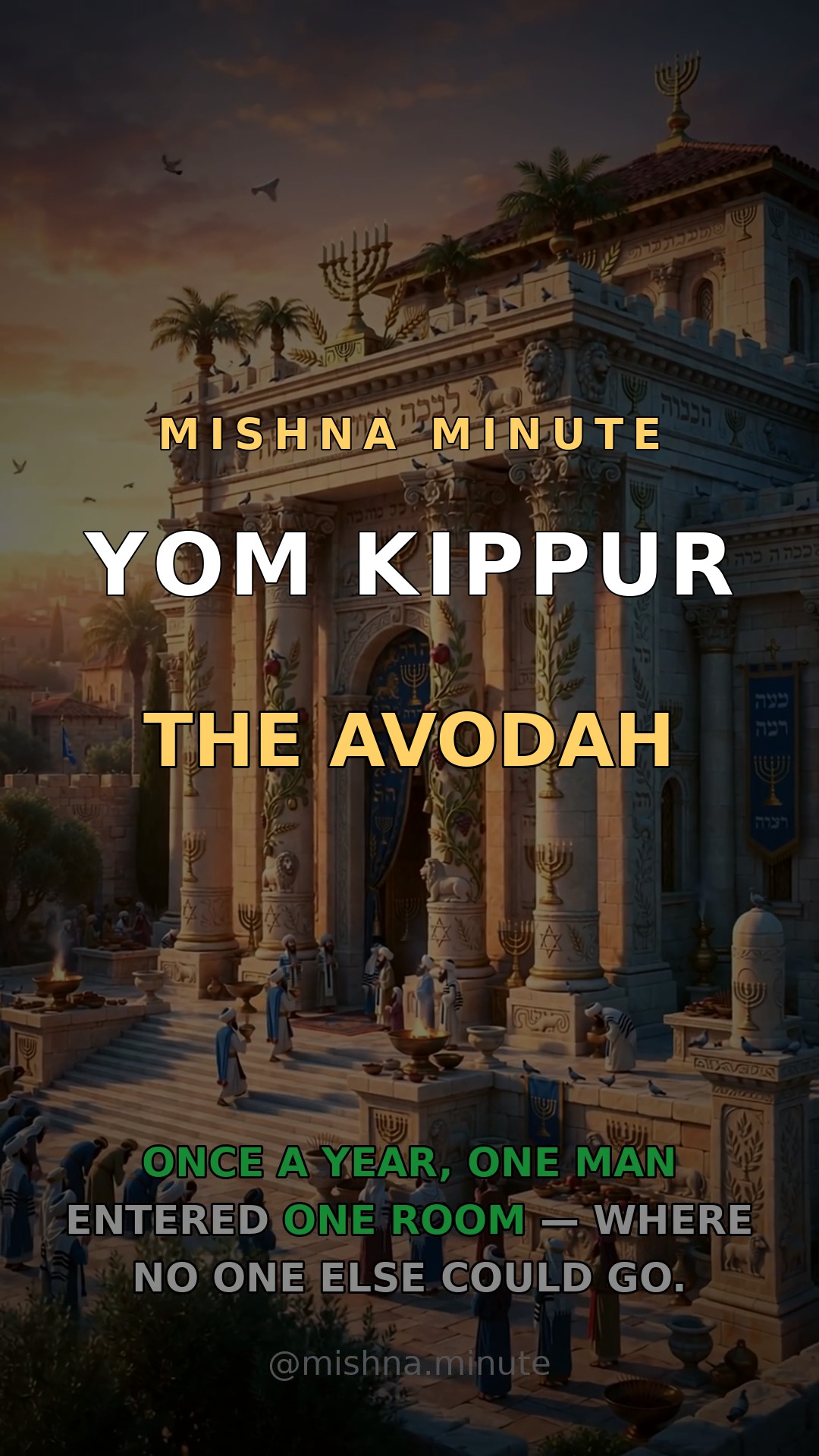 ▶
The Avodah
Once a year, one man entered one room where no one else could go. On Yom Kippur, the Kohen Gadol alone entered the Holy of Holies. Two goats stood before him; l…
Watch & learn →