▶
Peah 2:1
What Divides a Field
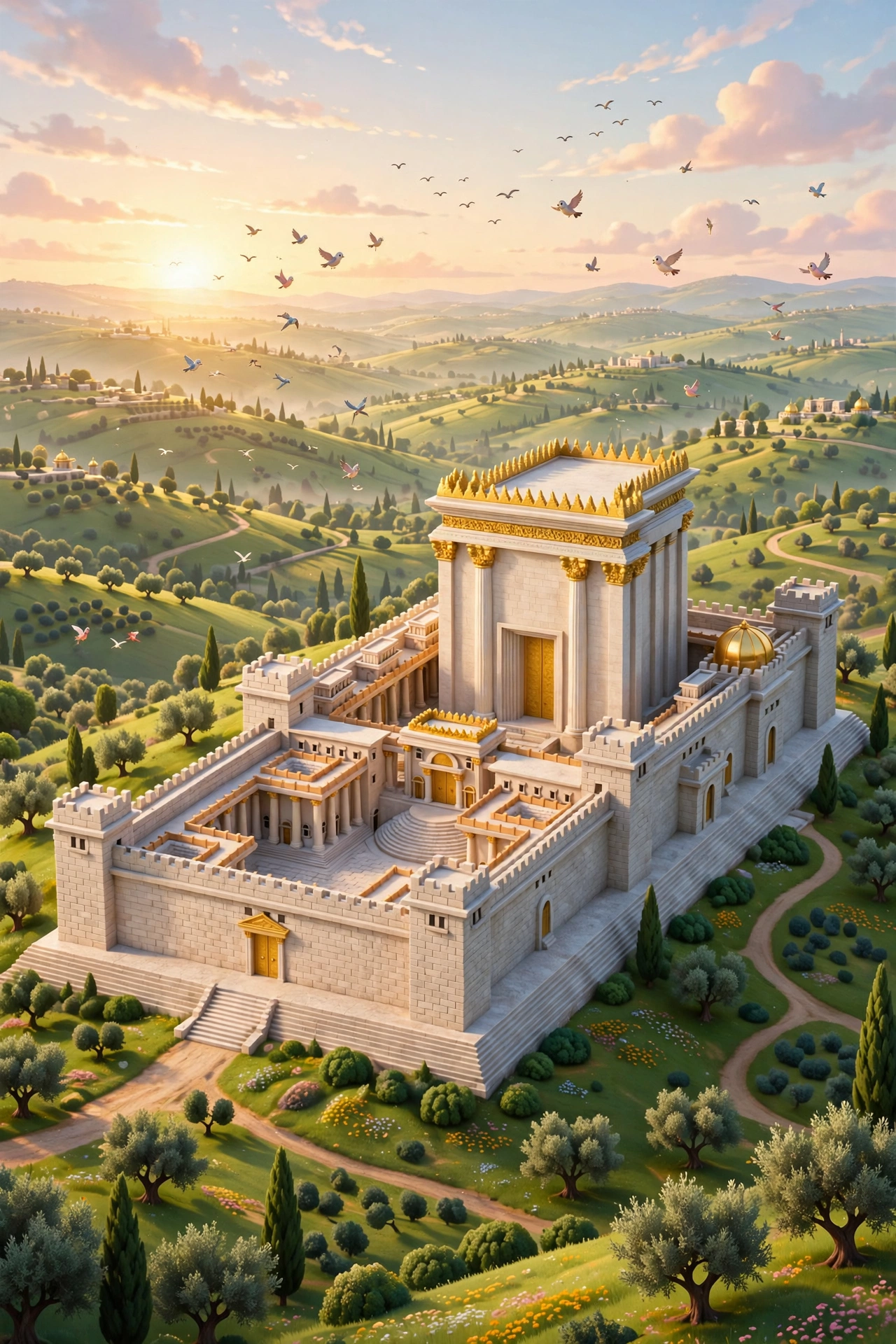
Peah is left from each field separately — so the first question is: where does one field end and the next begin? The mishnah lists what divides a field for peah…
Watch & learn →Chapter 2 of Peah draws the map of the field: the streams, roads, and fences that divide it for peah; the carob trees that no fence can divide; the seed that decides how many peahs are owed; a law handed down from Sinai — and the moment there is no peah at all.
▶Peah is left from each field separately — so the first question is: where does one field end and the next begin? The mishnah lists what divides a field for peah…
Watch & learn →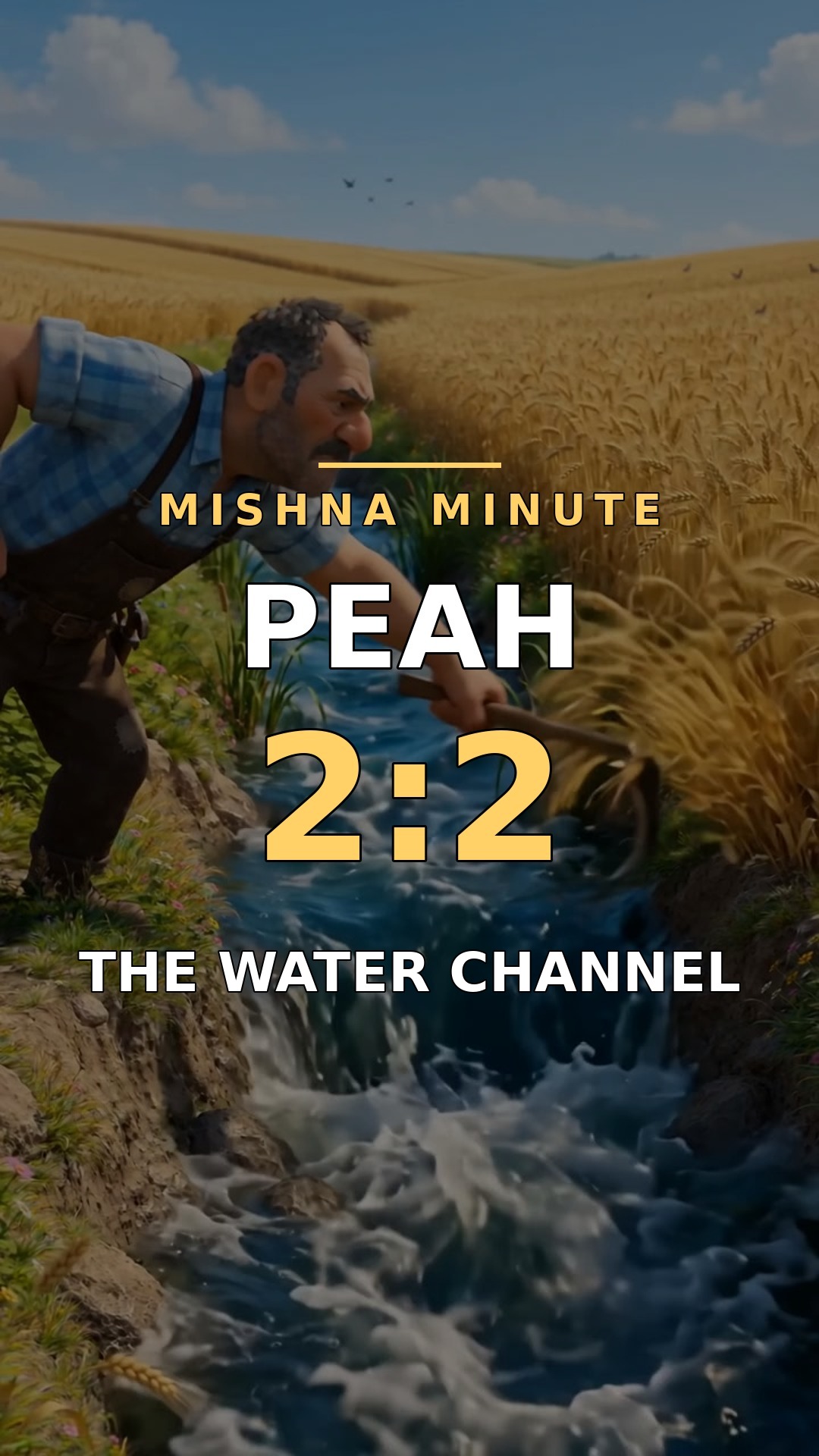 ▶
A water channel runs through the field — does it divide it? Rabbi Judah says it depends: if the channel makes it impossible to harvest one side while standing o…
Watch & learn → ▶
Everything that divides a grain field divides it — but trees play by different rules. For an orchard, nothing divides except a fence. A stream, a road, a differ…
Watch & learn → ▶
Carob trees get their own rule: as long as they see one another, no fence divides them. For most trees a fence is the final word; for carobs, line of sight over…
Watch & learn → ▶
The seed decides, not the pile. Plant your field with one kind of seed — even if you end up with two threshing floors of grain — and you give only one peah.…
Watch & learn → ▶
The wheat rule from 2:5 got a real test: Rabbi Shimon of Mitzpah planted his field with two kinds and brought the question to Rabban Gamaliel. The two of them w…
Watch & learn → ▶
Peah is owed from the standing grain — so when there is no standing grain, there is no peah. A field harvested by gentiles, harvested by robbers, eaten at the r…
Watch & learn → ▶
When the harvest changes hands, who owes the peah? If robbers took half and the owner harvested the other half, the owner gives peah — from what he actually har…
Watch & learn →