When the Field Opens to Everyone
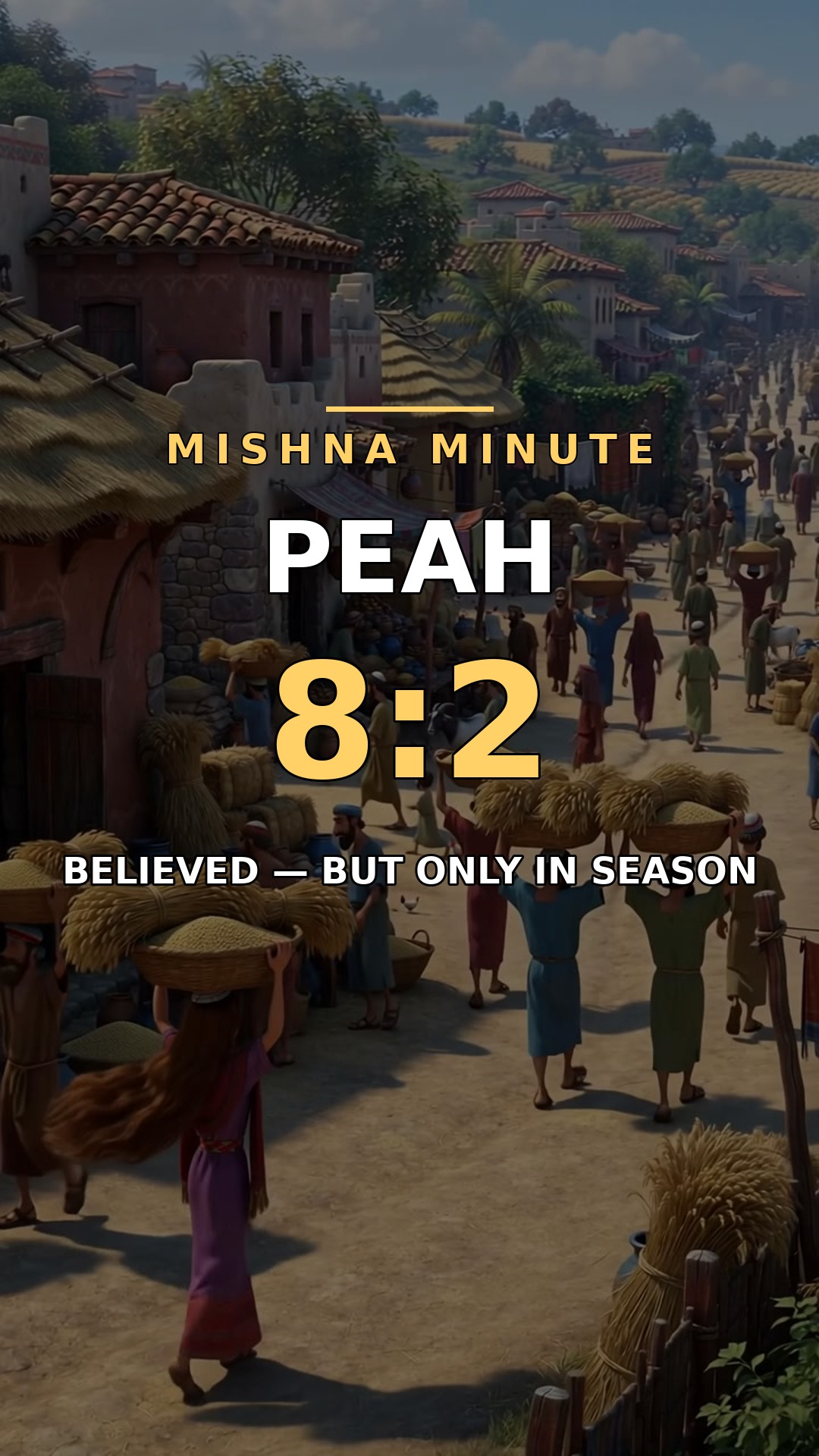
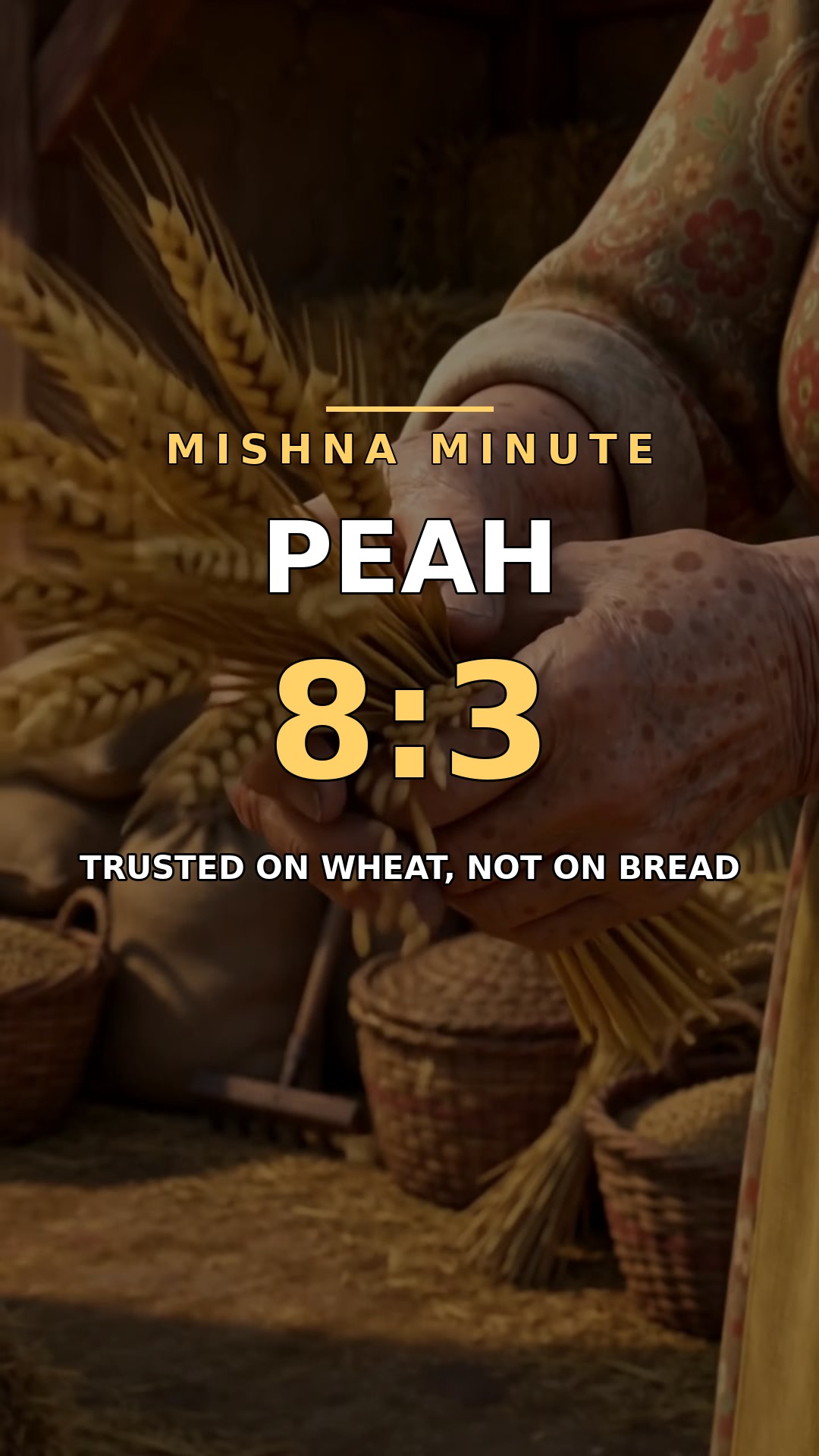
The gifts of the field belong to the poor — but not forever. The mishnah asks: from when may anyone at all take the leket that remains? For grain, the answer is the nemoshot — the last gleaners of all, the elderly poor who make one final, slow pass through the field. Once they have gone through, the field opens to everyone.
Every gift has its own moment. Peret and olelot — the fallen grapes and defective clusters — open once the poor have gone through the vineyard and come back. Olives open once the second rainfall has fallen: by then, whatever is still on the tree is truly left behind.
Rabbi Yehuda objects: some owners only pick their olives after the second rain, so the rain cannot be the sign. The real measure is need itself — when a poor man can go out to the grove and not bring back even four issarot of olives. When the field can no longer feed the poor, it opens to everyone.
מתנות השדה שייכות לעניים — אבל לא לעולם. המשנה שואלת: מאימתי מותר לכל אדם ליטול את הלקט שנשאר? בדגן, התשובה היא הנמושות — אחרוני המלקטים, העניים הזקנים העוברים בשדה פעם אחת אחרונה ואטית. משעברו הן — השדה נפתח לכל אדם.
לכל מתנה שעתה שלה. פרט ועוללות — הענבים הנושרים והאשכולות הפגומים — נפתחים משילכו העניים בכרם ויבואו. זיתים נפתחים משתרד רביעה שנייה: עד אז, מה שעדיין על העץ — נשאר באמת מאחור.
רבי יהודה מקשה: יש בעלי בתים שמסיקים את זיתיהם רק לאחר רביעה שנייה, ולכן הגשם אינו יכול להיות הסימן. המדד האמיתי הוא הצורך עצמו — כשהעני יוצא אל הזיתים ואינו מביא אפילו ארבעה איסרות. כששוב אין השדה יכול לפרנס את העניים — הוא נפתח לכל אדם.